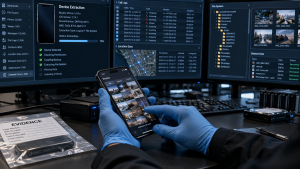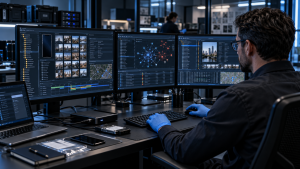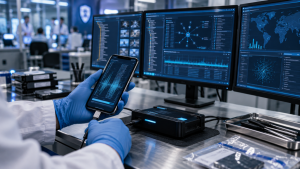
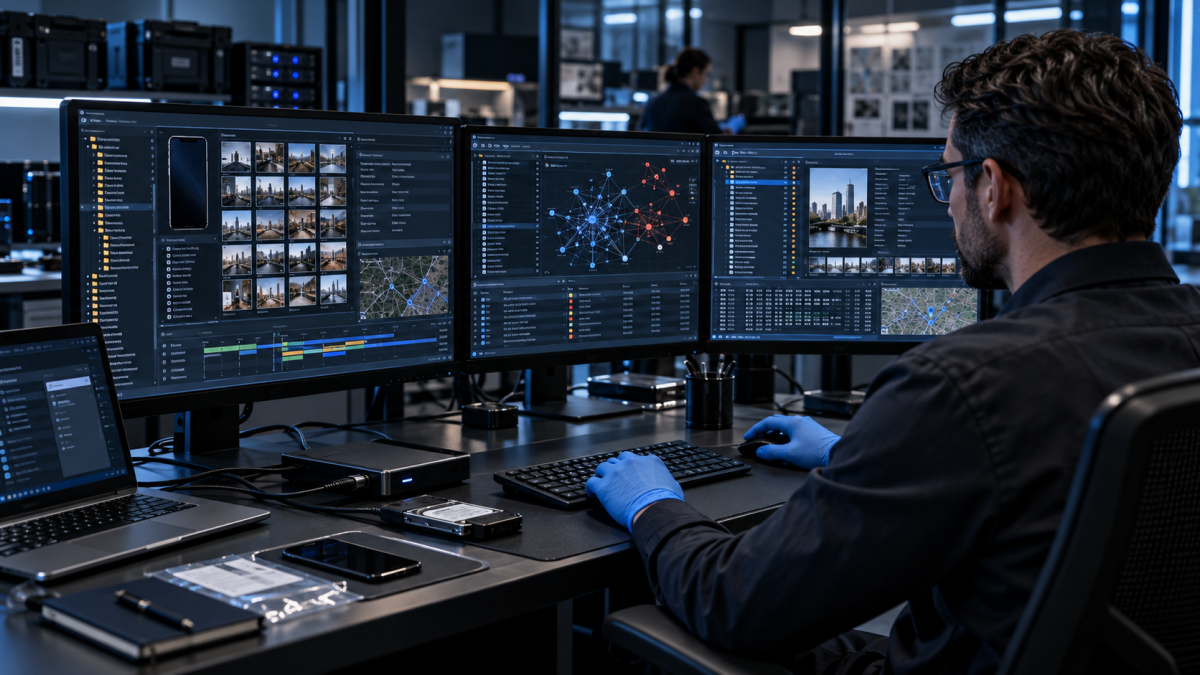

When a cyber incident, fraud case, data breach, insider threat, or digital crime investigation occurs, having access to digital forensic tools is only one part of the solution. The real challenge is ensuring that digital evidence is collected, preserved, analysed, and presented in a way that supports the investigation.
This is why organisations should look beyond simply searching for the best digital forensics company in India. A capable forensic partner should be investigation-ready, meaning it should have the expertise, technology, processes, and operational experience required to handle complex digital evidence.
Whether the requirement involves mobile phones, computers, cloud environments, networks, cryptocurrency, or other digital sources, the quality of forensic investigation can significantly influence the outcome. Organisations should therefore evaluate a provider’s broader digital forensics capabilities before selecting a forensic partner.
This FAQ brings together the questions investigators and forensic teams ask most often, based on real queries raised during recent training and webinar sessions on mobile data extraction. The goal is simple: give clear, practical answers that help teams understand what is possible, what depends on the device, and where the real challenges lie.
Key Takeaways
- The best digital forensics company in India should be evaluated based on investigation readiness, not simply the number of services it offers.
- Strong forensic capabilities should cover relevant evidence sources such as mobile devices, computers, cloud environments, networks, and digital assets.
- Experienced digital forensics experts in India should be able to interpret evidence, identify relationships, reconstruct events, and provide actionable findings.
- Digital evidence analysis should go beyond data extraction and help investigators understand the wider context of the evidence.
- Proper evidence preservation and chain-of-custody processes are essential for maintaining evidence integrity.
- Specialised capabilities such as cryptocurrency forensics, financial forensics, OSINT, and cyber intelligence can be important for complex investigations.
- The right forensic partner should have the technology, expertise, operational experience, scalability, and reporting capabilities required for the specific investigation.
- Organisations should assess a provider based on their actual investigation requirements rather than relying only on generic “best company” rankings or claims.
What Does Investigation-Ready Digital Forensics Mean?
An investigation-ready forensic partner is prepared to respond to an investigation from the initial identification of evidence through analysis and reporting.
This involves several important capabilities:
- Evidence identification and preservation
- Forensic acquisition
- Digital evidence analysis
- Mobile and computer forensics
- Cloud and network forensics
- Open-source intelligence and deep web investigation
- Cryptocurrency and digital asset investigation
- Evidence documentation and reporting
- Chain of custody management
- Support for investigative and operational requirements
The objective is not simply to recover data. It is to establish what happened, identify relevant evidence, understand relationships between events or entities, and provide investigators with actionable findings.
1. Strong Digital Evidence Handling Capabilities
Digital evidence can exist across smartphones, computers, storage devices, cloud platforms, networks, applications, and other digital environments.
A forensic partner should therefore be capable of working with multiple evidence sources rather than depending on a single type of device or investigation.
A strong investigation process should address:
- Identification of relevant evidence
- Secure acquisition
- Preservation of original evidence
- Examination and analysis
- Correlation of findings
- Documentation and reporting
This structured approach helps investigators maintain confidence in the integrity and relevance of the evidence.
2. Expertise Across Multiple Forensic Domains
The capabilities of a forensic organisation are another important consideration when evaluating a digital forensics company India.
Depending on the investigation, forensic requirements can include:
Mobile Forensics
Mobile devices can contain communications, application data, media, location information, contacts, and other potentially relevant evidence.
Computer and Disk Forensics
Computers and storage devices can contain documents, deleted files, browser activity, system artefacts, communications, and other information relevant to an investigation.
Cloud Forensics
As organisations increasingly use cloud infrastructure, investigators may need to examine data and activity associated with cloud environments.
Network Forensics
Network evidence can help investigators understand communications, connections, traffic patterns, and potential security incidents.
Financial and Cryptocurrency Forensics
Financial investigations may require transaction analysis, fund-flow analysis, entity mapping, and cryptocurrency investigation.
A broader range of capabilities allows organisations to select a forensic partner based on the actual investigation rather than the limitations of a particular tool. Organisations can also evaluate a provider’s broader digital investigation services to understand how different forensic capabilities are applied across complex investigations.
3. Experienced Digital Forensics Experts
Technology alone does not make an organisation investigation-ready.
The expertise of the forensic team is equally important. Digital forensics experts in India should be able to interpret forensic findings within the context of an investigation.
For example, identifying a deleted file is only one part of the process. Investigators may also need to understand:
- When the file was created or modified
- Where it originated
- Which user or system interacted with it
- Whether related evidence exists elsewhere
- How it connects with other events
- Whether additional evidence supports the finding
This requires analytical expertise rather than simple data extraction.
4. Comprehensive Digital Evidence Analysis
The volume of digital information generated during an investigation can be significant. Simply collecting large amounts of data does not automatically produce useful intelligence.
Effective digital evidence analysis should help investigators identify relevant information and relationships within the available evidence.
Depending on the case, analysis may involve:
- Timeline reconstruction
- Keyword and communication analysis
- Entity identification
- Relationship mapping
- File and artefact analysis
- Transaction analysis
- Application analysis
- Cross-source evidence correlation
The ability to connect evidence from multiple sources can be particularly valuable in complex investigations.
5. Chain of Custody and Forensic Governance
Evidence handling is a critical component of a professional forensic investigation.
A forensic partner should have clearly defined processes for documenting how evidence is acquired, handled, transferred, examined, and stored.
Chain of custody helps establish an accountable record of evidence handling throughout the investigation.
This becomes especially important when forensic findings need to support formal investigations or other proceedings where the origin and handling of evidence may be examined.
6. Ability to Handle Complex Investigations
Not every investigation follows a predictable path.
A straightforward device examination may involve a limited number of evidence sources. A complex investigation could involve hundreds of devices, multiple systems, financial transactions, communications, and digital assets.
An investigation-ready partner should therefore have the capability to scale its forensic operations according to the complexity of the case.
This includes appropriate technology, trained personnel, investigation workflows, and reporting capabilities.
7. Cryptocurrency and Digital Asset Forensics
Cryptocurrency can introduce additional complexity into digital investigations.
Investigators may need to examine wallet information, transaction hashes, blockchain activity, seed phrases, addresses, and related digital evidence.
A forensic partner with cryptocurrency and blockchain investigation capabilities can help connect blockchain transactions with evidence obtained from devices and other sources.
This can be particularly relevant for investigations involving suspected crypto fraud, financial crime, digital asset movement, or cryptocurrency-related evidence.
8. Investigation Technology Should Support the Workflow
The technology used by a forensic organisation should support investigators throughout the investigation lifecycle.
For example, specialised forensic platforms can assist with tasks such as:
- Speech transcription and analysis
- Multilingual evidence processing
- Cryptocurrency evidence identification
- Case management
- Evidence organisation
- Search and analysis
- Investigation reporting
The important consideration is not simply whether a company has proprietary technology. The technology should solve practical investigation requirements and work as part of a broader forensic workflow.
9. Government and Law Enforcement Experience
Experience with government and law enforcement investigations can be an important consideration when evaluating a forensic partner.
Such engagements can involve complex evidence environments, large datasets, specialised investigative requirements, and strict operational processes.
When assessing a provider, organisations should look for evidence of relevant project experience and clearly documented capabilities rather than relying only on general marketing claims.
10. A Structured Approach to Selecting a Digital Forensics Partner
Organisations evaluating forensic providers can use a practical framework instead of relying solely on rankings or generic claims.
Consider the following questions:
|
Evaluation Area |
Key Question |
|
Forensic capabilities |
Can the provider handle the evidence sources relevant to the investigation? |
|
Expertise |
Does the team have appropriate forensic and investigative expertise? |
|
Evidence handling |
Are evidence preservation and chain-of-custody processes clearly defined? |
|
Analysis |
Can the provider correlate and interpret evidence across multiple sources? |
|
Technology |
Does its technology support real investigative workflows? |
|
Scalability |
Can it handle complex or large-scale investigations? |
|
Specialisation |
Does it support areas such as financial forensics or cryptocurrency forensics when required? |
|
Experience |
Does it demonstrate relevant project and operational experience? |
|
Reporting |
Can findings be presented clearly for investigators and decision-makers? |
This approach provides a more meaningful way to determine whether a provider is suitable for a specific investigation.
Why the “Best” Digital Forensics Company Depends on the Investigation
There is no single forensic provider that is automatically the best choice for every investigation.
The right partner depends on factors such as:
- Type of investigation
- Evidence sources
- Number of devices or systems involved
- Required forensic capabilities
- Geographic requirements
- Investigation complexity
- Reporting requirements
- Need for specialised expertise
For example, an organisation investigating cryptocurrency fraud may require capabilities that are different from those needed for a mobile device investigation.
Therefore, the better question is not simply “Who is the best digital forensics company in India?” but rather:
Which forensic partner has the capabilities, expertise, technology, and investigation experience required for this specific case?
How Pelorus Technologies Supports Digital Forensic Investigations
Pelorus Technologies provides digital forensics, cyber intelligence, investigative, financial forensics, and related technology solutions.
Its digital forensics capabilities cover areas including mobile, computer disk, cloud, network, drone, and damaged-drive forensics, along with OSINT and dark web monitoring.
The company also offers specialised solutions such as SpeakInt, CryptoScan, and CaseManager, supporting areas including speech intelligence, cryptocurrency evidence analysis, and forensic case management.
For organisations evaluating a forensic partner, understanding the combination of forensic expertise, technology, investigation capabilities, and operational experience is essential before making a decision.
Conclusion
Choosing the best digital forensics company in India should be based on investigation readiness rather than a simple list of services.
Organisations should evaluate forensic expertise, evidence handling, analytical capabilities, specialised technology, investigation experience, scalability, and reporting capabilities.
A strong forensic partner should be able to move beyond data extraction and help investigators understand the evidence, connect relevant findings, and build a clearer picture of what happened.
Frequently Asked Questions
What should I look for in the best digital forensics company in India?
Look for relevant forensic capabilities, experienced investigators, evidence-handling processes, analytical expertise, specialised technology, scalability, and experience with investigations similar to your requirements.
What is digital evidence analysis?
Digital evidence analysis is the process of examining information obtained from digital sources to identify relevant artefacts, events, relationships, and findings that can support an investigation.
Why is chain of custody important in digital forensics?
Chain of custody provides a documented record of how evidence was collected, handled, transferred, examined, and stored, helping maintain confidence in the integrity of the evidence.
Do digital forensic companies investigate cryptocurrency?
Some specialised forensic providers offer cryptocurrency and digital asset investigation capabilities, including analysis of wallets, transactions, blockchain-related evidence, and associated digital artefacts.
To know more about our work and the agencies we support, visit our About page, or get in touch through our Contact page to discuss a specific investigation need.