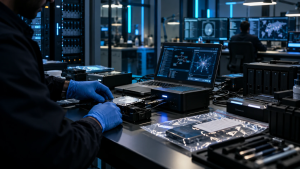
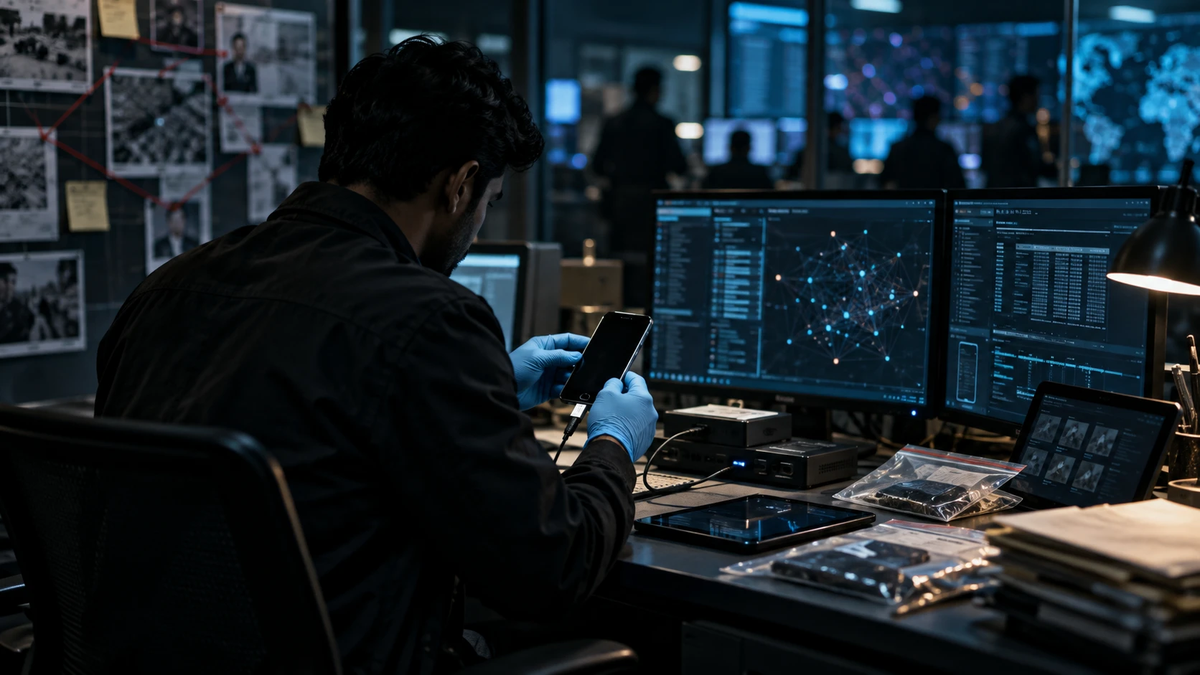

Every police force in India today handles cases that involve some form of digital evidence, whether it is a phone seized during a fraud investigation, CCTV footage from a crime scene, or transaction records tied to a financial crime. As criminal activity increasingly moves online, digital forensics for police has shifted from a specialised support function to a core investigative requirement.
Digital forensics solutions for law enforcement in India now cover far more than basic phone unlocking or file recovery. They involve structured technology, standardised processes and trained personnel working together to ensure evidence holds up from the first response at a crime scene all the way through to trial in court.
Key Takeaways
- Digital forensics for police now spans mobile devices, computers, cloud accounts, financial systems and network infrastructure, not just isolated file recovery.
- Forensic technology for law enforcement must be selected based on real case types, from cybercrime to financial fraud to organised crime investigations.
- A structured, repeatable process from evidence seizure to court reporting is essential for defensible cybercrime investigation in India.
- Common challenges include jurisdictional complexity, encryption, cloud-based evidence and limited trained manpower across many units.
- Partnering with an experienced forensic provider helps law enforcement agencies build capability faster while maintaining legal admissibility.
Why Digital Forensics Has Become Central to Law Enforcement
Cybercrime, financial fraud, organised crime and even traditional offences like kidnapping or murder now regularly involve a digital trail. Call records, location data, chat histories and financial transactions frequently provide the strongest leads in a case, sometimes stronger than physical evidence alone.
This shift means digital forensics for police is no longer confined to dedicated cyber cells. Frontline investigators, station-level officers and specialised units all increasingly need access to forensic tools and processes suited to their specific caseload.
Key Technologies Used in Law Enforcement Digital Forensics
Mobile Device Forensics
Extraction and analysis tools that recover call logs, messages, location history and app data, including deleted content, from smartphones and tablets across different manufacturers and operating systems.
Computer and Server Forensics
Tools that image and analyse hard drives, recover deleted files, and reconstruct user activity on desktops, laptops and servers involved in an investigation.
Network and Cloud Forensics
Capabilities that examine network traffic logs and retrieve evidence stored in cloud accounts, increasingly important as more communication and data storage moves away from the physical device itself.
Financial and Cryptocurrency Forensics
Specialised forensic technology for law enforcement that traces transactions, identifies fraud networks and detects cryptocurrency wallets or artefacts hidden within seized evidence.
Case and Evidence Management Systems
Platforms that organise digital evidence, maintain chain of custody documentation, and generate structured, court-ready reports across multiple cases and examiners.
The Digital Forensics Process for Law Enforcement
A consistent forensic process is what allows evidence to remain defensible across different officers, units and courts.
- Scene response and seizure, securing devices properly to prevent data loss or remote wiping
- Evidence imaging, creating verified copies before any examination begins
- Extraction and analysis, applying the right tools based on device type and case requirements
- Correlation, connecting findings across multiple evidence sources when a case involves several devices or data points
- Reporting and court presentation, documenting methodology clearly enough to withstand cross-examination
Best Practices for Law Enforcement Digital Forensics
- Standardise seizure and handling procedures across all units, not just specialised cyber cells
- Invest in ongoing training as devices, operating systems and encryption methods continue to change
- Maintain strict chain of custody documentation from the point of seizure through final reporting
- Use validated, court-tested tools rather than unverified or open-source alternatives for critical evidence
- Build centralised case and evidence management systems to reduce manual errors and improve consistency across cases
Common Challenges Facing Law Enforcement Agencies
- Manpower and training gaps, with many units still building forensic expertise
- Rapid technology change, as new devices and encryption methods regularly outpace existing tools
- Cloud-first evidence, where critical data no longer resides solely on the physical device
- Jurisdictional complexity, particularly in cybercrime investigation in India where offenders often operate across state or national lines
- Resource constraints, especially in smaller units without access to advanced forensic infrastructure
Why the Right Forensic Partner Matters for Law Enforcement
Pelorus has worked directly with state police departments, central agencies and defence organisations across India, including setting up dedicated cyber forensic labs for Maharashtra Cyber, Assam Police and Goa Police, along with training officers on modern investigative tools. This hands-on experience shapes how Pelorus approaches digital forensics for agencies that need results they can rely on in court.
For departments seeking digital forensics solutions for law enforcement in India, Pelorus also offers investigation services that combine digital, financial and intelligence-led approaches, along with case management tools like CaseManager to organise evidence and streamline reporting across active investigations.
Frequently Asked Questions
What kind of digital evidence do police typically deal with?
Police commonly work with mobile phone data, computer files, CCTV footage, financial transaction records and increasingly cloud-based data such as social media activity and messaging app content.
Is digital forensic evidence admissible in Indian courts?
Yes, provided it is collected and documented following proper forensic procedure, including verified imaging, chain of custody and detailed reporting of the methodology used.
What training do officers need for digital forensics work?
Officers benefit from training in evidence seizure procedures, use of specific forensic tools, chain of custody documentation and an understanding of how digital evidence is challenged in court.
How do smaller police units access forensic technology without large budgets?
Many smaller units rely on centralised state or regional forensic labs, or partner with experienced forensic providers who can supply both technology and training tailored to available resources.
How has cybercrime investigation in India changed in recent years?
Cases increasingly involve cross-border activity, cryptocurrency, encrypted communication apps and cloud-based evidence, requiring more advanced tools and closer coordination between units and agencies.
What should agencies look for in a digital forensics technology partner?
Agencies should look for proven law enforcement deployments, tools validated for court use, ongoing training support and the ability to scale forensic capability as case volume and complexity grow.
Conclusion
Digital forensics has moved from a specialised support function to a foundational capability that every law enforcement agency in India increasingly needs. As criminal activity continues shifting into digital spaces, the strength of an agency’s forensic technology, processes and trained personnel will directly shape how effectively it can investigate and prosecute modern crime.
If your department is looking to strengthen its digital forensics capability, contact Pelorus to discuss how our technology, training and lab deployment experience can support your investigative teams.