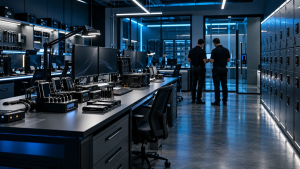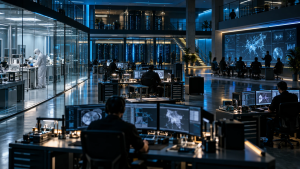

As cybercrime continues to rise across India, more state police departments, central agencies and enterprises are recognising that outsourcing every forensic examination is neither sustainable nor fast enough. The answer for many is building an in-house capability through a proper cyber forensic lab setup in India, one that can handle everything from mobile device extraction to server level investigations without relying entirely on external vendors.
Setting up a forensic lab, however, is far more involved than simply purchasing equipment and placing it in a room. It requires careful planning across infrastructure, technology selection, procedural design and workforce training, all of which must work together to produce evidence that can survive legal scrutiny.
Key Takeaways
- A cyber forensic lab setup in India requires purpose-built infrastructure, not just forensic software and hardware placed in a generic office space.
- Digital forensic lab infrastructure must account for evidence security, cleanroom facilities, network isolation and chain of custody at every stage.
- Forensic lab design should be based on the specific case types an agency handles, whether that is cybercrime, financial fraud, mobile forensics or all of the above.
- Technology selection matters as much as infrastructure, since outdated or mismatched tools can slow down investigations and weaken evidentiary value.
- Working with an experienced forensic lab setup partner reduces deployment time and ensures the lab is operational and audit ready from day one.
Why Agencies in India Are Building Their Own Forensic Labs
Relying solely on external forensic vendors creates delays that many time sensitive investigations cannot afford. Building an internal lab allows agencies to control turnaround times, maintain tighter custody over sensitive evidence and build long-term technical capability within their own teams rather than depending on outside expertise for every case.
This shift is visible across India, where state cybercrime units, forensic science laboratories and specialised investigation cells have increasingly moved toward dedicated, in-house forensic infrastructure over the past several years.
Core Components of a Cyber Forensic Lab
1. Physical Infrastructure
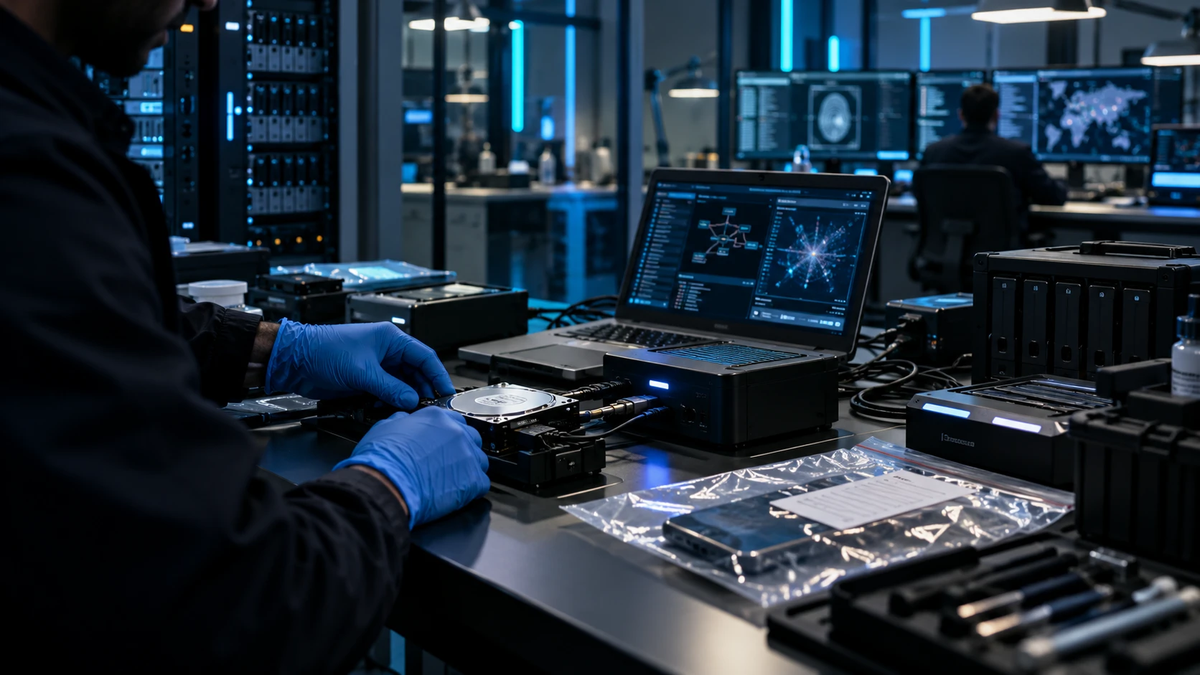
A forensic lab needs more than desks and computers. Proper digital forensic lab infrastructure includes secure evidence storage rooms, restricted access zones, environmental controls for sensitive equipment, and in many cases a cleanroom facility for handling physically damaged storage devices.
2. Network and Data Security
Forensic labs typically operate on isolated, air-gapped networks to prevent contamination of evidence and protect sensitive case data from external threats. Network segmentation and strict access controls are standard requirements, not optional extras.
3. Forensic Hardware and Software
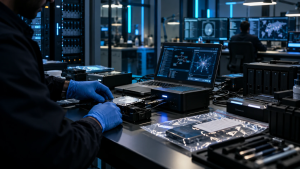
This includes write blockers, forensic imaging devices, mobile extraction units, data recovery equipment and analysis software covering computer, mobile, cloud and network forensics. The right combination depends heavily on the case types the lab is expected to handle.
4. Evidence Management Systems
A structured system for logging, tracking and storing evidence throughout its lifecycle is essential for maintaining chain of custody and preparing court-ready documentation.
5. Trained Personnel
Even the best equipped lab is only as effective as the people operating it. Ongoing training in forensic methodology, new device support and legal procedure is critical to keeping a lab’s output reliable and admissible.
Workflow Design: From Intake to Reporting
A well designed cyber forensic lab follows a consistent, repeatable workflow rather than an ad-hoc process that varies case by case.
- Evidence intake and documentation, recording device condition and initiating chain of custody
- Forensic imaging, creating verified copies of the original evidence before any analysis begins
- Examination and analysis, using validated tools appropriate to the device and case type
- Correlation and reconstruction, connecting findings across multiple evidence sources where relevant
- Reporting and case handover, producing documentation suitable for investigators, prosecutors or internal stakeholders
Standardising this workflow across examiners is what allows a lab to scale case volume without sacrificing consistency or defensibility.
Common Mistakes in Forensic Lab Setup
- Choosing hardware and software without mapping them to actual case types the agency handles
- Underestimating physical infrastructure needs, particularly cleanroom facilities and secure storage
- Skipping structured workflow design, leading to inconsistent results between examiners
- Insufficient training, resulting in underutilised technology and procedural errors
- No long-term maintenance or upgrade plan for tools that require regular updates to handle new devices and encryption methods
Why Choose an Experienced Forensic Lab Setup Partner
Forensic lab design is not a one-time purchase decision, it is an ongoing partnership that spans planning, deployment, training and long-term support. Pelorus has delivered forensic lab projects such as a State-Level Cybercrime Command and Control Centre for Maharashtra Cyber, a cleanroom-equipped forensic Centre of Excellence for DFSL Pune completed in an accelerated 90-day cycle, and a turnkey National Cyber Forensic Lab for Assam Police under I4C.
For agencies exploring a cyber forensic lab setup company in India, Pelorus offers end-to-end capability covering digital forensics infrastructure, technology selection and workflow design. Beyond the physical lab, ongoing investigation services and support ensure teams remain effective as case complexity and device technology continue to evolve.
Conclusion
A cyber forensic lab is one of the most valuable long-term investments an agency can make in its investigative capability. Get the infrastructure, technology and workflow right, and a cyber forensic lab setup in India can dramatically reduce case turnaround time while strengthening the quality and admissibility of evidence produced. Get any of these elements wrong, and even well-funded labs can struggle to deliver consistent, defensible results.
If your organisation is planning a cyber forensic lab setup, contact Pelorus to discuss how our end-to-end lab design and deployment experience can support your project.
Frequently Asked Questions
How long does it take to set up a cyber forensic lab in India?
Timelines vary based on scale and scope, but a fully equipped lab, including infrastructure, technology deployment and initial training, can often be completed within a few months for a well-planned project.
What is the difference between a cyber forensic lab and a standard IT lab?
A cyber forensic lab is designed specifically for evidence handling, with chain of custody protocols, cleanroom facilities, isolated networks and validated forensic tools that a standard IT lab does not require.
Does a forensic lab need a cleanroom facility?
It depends on the case types handled. Labs that deal with physically damaged storage devices, such as water damaged or crashed hard drives, benefit significantly from a dedicated cleanroom environment.
What kind of training is required for forensic lab staff?
Staff typically need training in forensic tools, evidence handling procedures, chain of custody documentation and legal requirements specific to digital evidence in Indian courts.
Can an existing lab be upgraded instead of building a new one?
Yes. Many agencies choose to upgrade existing infrastructure with new technology, expanded capacity or improved workflow design rather than building an entirely new facility.
How do I choose the right forensic lab setup company in India?
Look for a provider with proven government or law enforcement deployments, experience across infrastructure and technology, and a track record of delivering labs that remain operational and effective long after initial setup.